
Panchakarma for Sleep and Stress: How Ayurveda's Deep-Cleansing Therapy Restores Restful Sleep and Calms the Nervous System
October 26, 2026
You fall into bed exhausted, yet your mind keeps racing. You wake at 3 a.m. and cannot get back to sleep. Caffeine gets you through the day, and by evening the cycle starts again. Chronic stress and poor sleep have a way of feeding each other, leaving you stuck in a loop that rest, meditation apps and supplements never quite seem to break. Ayurveda looks at this loop differently. Rather than treating sleep and stress as separate problems, it addresses the accumulated imbalance underneath both — the deep-seated toxins, or **Ama**, that disrupt the nervous system and throw the body's natural rhythm off course. This is where **Panchakarma** comes in. Ayurveda's classical deep-cleansing and rejuvenation therapy is designed to remove accumulated toxins, rebalance the doshas, and restore the conditions your body needs for genuinely restful sleep and a calmer, more resilient nervous system. In this guide, we explain what Panchakarma is, how it supports sleep and stress relief, the key therapies involved, and what to expect from a Panchakarma retreat at Ayurdi Ayurveda.
Why Stress and Sleep Loss Feel Impossible to Break
Stress and sleep are governed by the same underlying systems, which is why they so often deteriorate together.
When you are under prolonged stress, the body stays in a state of heightened alertness. Levels of the stress hormone cortisol remain elevated into the evening, making it harder to fall asleep and more likely that you will wake during the night. Poor sleep, in turn, leaves you less able to cope with everyday demands the following day, which raises stress further.
In Ayurveda, this is understood as an aggravation of Vata, the dosha that governs the nervous system and movement. Excess Vata shows up as restlessness, racing thoughts, anxiety, light or interrupted sleep, and a sense of being constantly wired yet exhausted.
Over time, stress also disturbs Agni, the digestive fire. Impaired digestion produces Ama — sticky, toxic by-products that accumulate in the tissues and channels of the body. Ama blocks the proper flow of nourishment and signals, deepening fatigue and making the nervous system even harder to settle.
Surface-level fixes rarely help because they do not remove this accumulated load. Panchakarma was designed precisely to do that.
What Is Panchakarma? More Than a Spa Detox
Panchakarma translates literally as five actions — a reference to the five classical cleansing procedures of Ayurveda: Vamana (therapeutic emesis), Virechana (therapeutic purgation), Basti (medicated enema), Nasya (nasal administration) and Rakta Moksha (bloodletting).
It is far more than a wellness trend. Panchakarma is a structured medical protocol, recorded in texts like the Charaka Samhita, that prepares the body, removes deep-seated toxins, and then rebuilds strength and immunity. It is always individualized to your constitution (Prakriti) and current imbalance (Vikriti), and it is always delivered under the supervision of a trained Ayurvedic physician.
The goal is not simply to relax for a few days. It is to reset the body's internal environment so that digestion, elimination, sleep and emotional balance can function the way they are meant to.
How Panchakarma Supports Sleep and Stress Relief
Panchakarma helps break the stress–sleep cycle through several connected mechanisms.
It removes accumulated Ama. Toxins that have been circulating in the system for months or years are loosened and eliminated, clearing the channels through which the body communicates with itself.
It rebalances Vata. Because so many sleep and anxiety symptoms stem from aggravated Vata, many Panchakarma therapies are specifically designed to ground and settle the nervous system, bringing Vata back into its natural rhythm.
It restores Agni. With digestion functioning properly, the body stops generating new toxins and begins to absorb nourishment effectively — the foundation for steady daytime energy and natural tiredness at night.
It gives the nervous system a true pause. Daily oil-based therapies, warm treatments and a structured routine signal safety to a nervous system that has been in overdrive, allowing it to downshift into rest-and-repair mode.
The combined effect is what many guests describe as the deepest rest they have had in years — not just longer sleep, but sleep that actually restores.
Key Panchakarma Therapies for Sleep and Stress
A Panchakarma program for sleep and stress will typically draw on several therapies, chosen according to your individual imbalance.
Shirodhara is one of the most renowned Ayurvedic treatments for the mind. A continuous, gentle stream of warm oil is poured over the forehead, inducing a profoundly calm state that many compare to deep meditation. Shirodhara is widely used to support stress relief, mental restlessness and difficulty falling asleep.
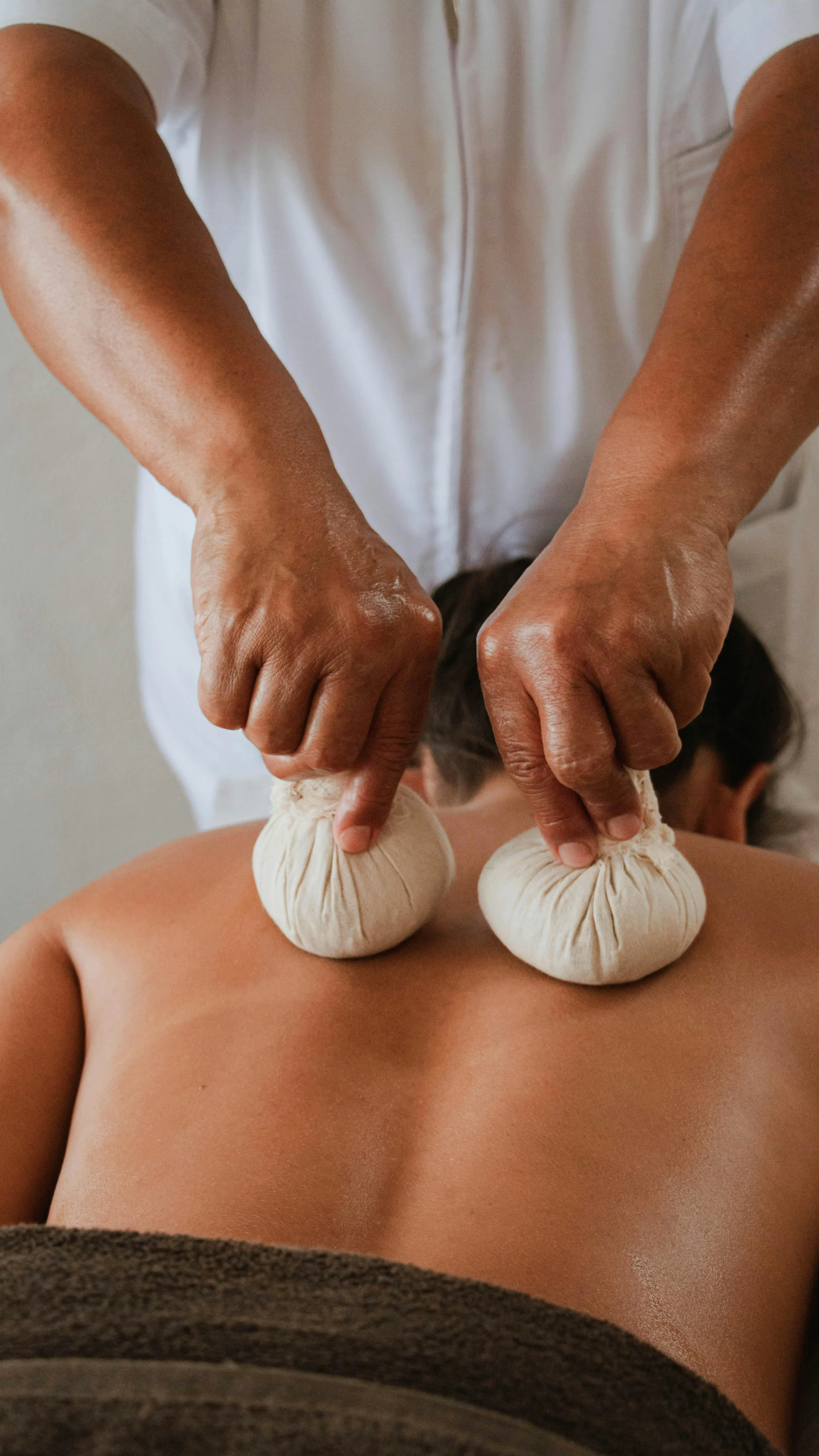
Abhyanga is a full-body warm oil massage using dosha-specific herbal oils. It calms Vata, soothes the nervous system, improves circulation and helps prepare the body for deeper cleansing. For many people it is the first signal that the body can finally relax.
Basti is considered the most important of the five Panchakarma actions, particularly for Vata. Medicated enemas deliver herbal preparations directly to the colon — the primary seat of Vata — helping to ground the nervous system, regulate elimination and support deep, sustained rest.
Nasya involves the administration of medicated oils through the nasal passages. Because the nose is considered the gateway to the head, Nasya is used to clear the channels of the head and neck, supporting mental clarity and easing tension that builds around the face and jaw.
Shiro Abhyanga and Padabhyanga — warm oil massage of the head and feet — are gentle but powerful grounding therapies often used to settle the mind before sleep.
The Three Phases of Panchakarma
Authentic Panchakarma unfolds in three stages, and each one matters.
Poorva Karma (Preparation): The body is prepared for cleansing through internal and external oleation, such as drinking medicated ghee and daily Abhyanga, followed by sweating therapies like Swedana to loosen toxins and draw them back toward the digestive tract.
Pradhan Karma (Main Cleansing): The primary therapies are performed according to your physician's plan. This is where the accumulated Ama is actually expelled from the body through the five actions.
Paschat Karma (Recovery and Rebuilding): The digestive fire is gradually rekindled with a carefully staged diet, and rejuvenating therapies (Rasayana) are introduced to rebuild strength, immunity and vitality.
Skipping preparation or rushing the recovery phase undermines the entire process. A properly sequenced Panchakarma program is why the results tend to last, rather than fading within a week.
Who Can Benefit from Panchakarma for Sleep and Stress?
Panchakarma is not a quick fix, but for the right person it can be transformative. You may be a strong candidate if you recognize yourself in one or more of these patterns.
Chronic stress and burnout: You feel depleted rather than energized, and rest no longer seems to restore you.
Persistent sleep problems: Difficulty falling asleep, waking frequently, or waking unrefreshed has become your normal.
A racing mind: You cannot switch off, even when you are exhausted.
Stress-related digestive issues: Bloating, irregular appetite or sluggish digestion that worsens when life gets busy.
Feeling stuck: You have tried lifestyle changes, supplements or short retreats, but the underlying heaviness remains.
A physician consultation at the start of your stay determines whether Panchakarma is appropriate for you and how intense the protocol should be.
What to Expect from a Panchakarma Retreat at Ayurdi
A Panchakarma retreat is not a typical holiday — it is a structured therapeutic stay with a slower, intentional rhythm.
Your program begins with a detailed Ayurvedic consultation, after which your physician designs a personalized schedule of therapies, meals and rest. Days follow a consistent routine, with treatments in the morning, nourishing meals prepared to your dosha, and early, screen-free evenings that protect your sleep.
At Ayurdi Ayurveda, this structure is supported by the sanctuary's coastal setting on Sri Lanka's southern coast. Choose your preferred stay at AYURDI — settle into one of two thoughtfully chosen accommodation experiences: Ayurdi Premium Stay and Ayurdi Nature Retreat. Both are close to the beach, offering peaceful surroundings, gentle beach walks and time away from the noise of daily life.
Guests commonly report leaving with clearer minds, calmer nervous systems and a genuine improvement in the depth and quality of their sleep.
Daily Habits to Pair with Panchakarma for Better Sleep
Panchakarma works best when supported by simple, sustainable habits — both during your stay and after you return home.
Keep a consistent sleep schedule. Going to bed and waking at similar times anchors the body's internal clock, which Ayurveda places at the center of health.
Create a wind-down routine. Reduce screens and bright light an hour before bed. A warm bath, foot massage or gentle breathing practice signals the nervous system that it is safe to rest.
Eat your largest meal at midday. Agni is strongest in the afternoon, and a light evening meal prevents the late-night digestive burden that can disturb sleep.
Practice gentle pranayama. Slow, extended exhales activate the relaxation response. Simple techniques like Nadi Shodhana (alternate nostril breathing) can be practiced in a few quiet minutes each evening.
Protect the morning. A short morning routine of warm water, gentle movement and a few minutes of stillness helps set a calm tone that carries through the day and into the night.
A Note on Safety
Panchakarma is a clinical therapy, not a self-administered home detox. It should always be planned and supervised by a qualified Ayurvedic physician who has assessed your constitution, current imbalances and medical history.
If you are pregnant, nursing, taking regular medication, or managing a chronic condition, disclose this during your consultation so your physician can adapt or defer the program.
Panchakarma is a supportive therapy, not a replacement for medical care. If you are experiencing severe insomnia, anxiety, depression or other mental-health concerns, please also speak with a qualified healthcare professional. Signs of a medical emergency should always be treated through urgent medical care.
Chronic stress and broken sleep do not have to be permanent. By removing the accumulated load your body has been carrying, Panchakarma creates the conditions for the deep, restorative rest that true healing depends on. If you are ready to reset your nervous system and reclaim your sleep, explore Ayurdi Ayurveda's Panchakarma retreat programs and book a consultation to build a personalized plan.