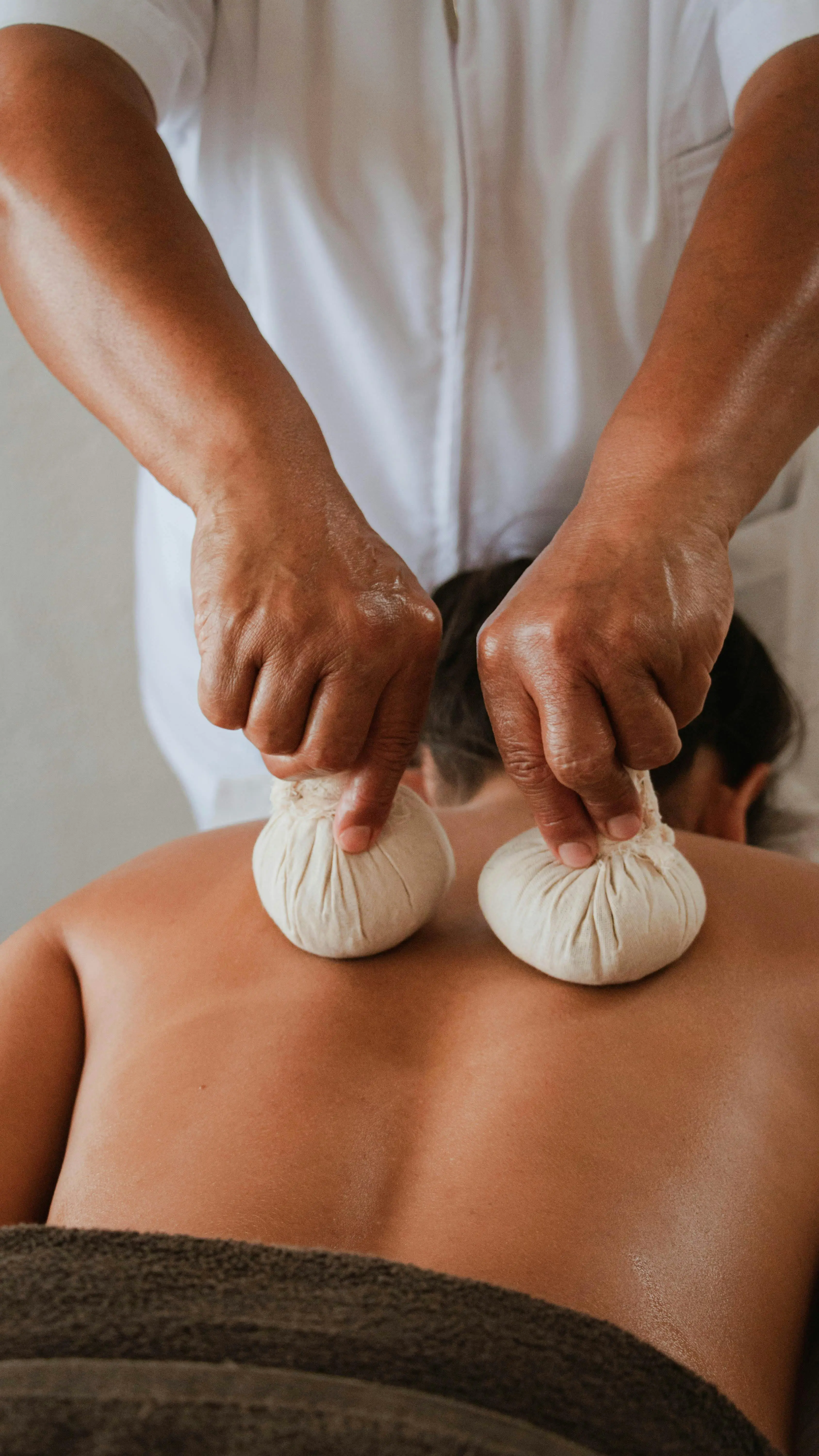
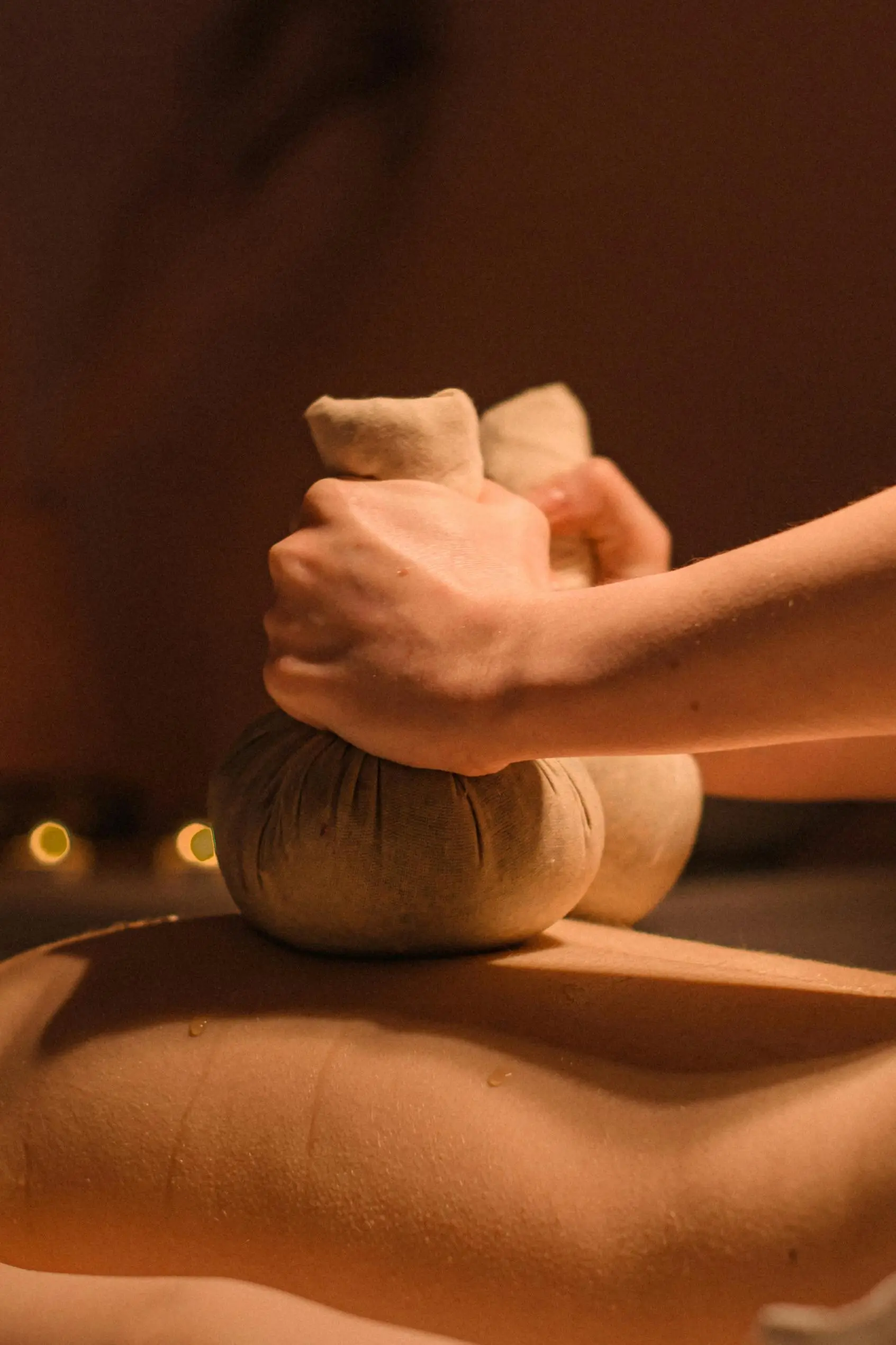
In a world of constant stress, many people seek massage for relief. But not all massage is the same. A spa massage can offer short-term relaxation, while authentic Ayurvedic therapy is designed to improve long-term health by addressing root causes, constitutional imbalances, and detoxification pathways.
Introduction: Beyond the Surface of Relaxation
Modern burnout often feels deeper than muscle tension: poor sleep, digestive disruption, and mental overdrive. While a luxury massage may calm the body briefly, Ayurveda asks a bigger question: why has imbalance developed?
From this viewpoint, the goal shifts from temporary comfort to systemic restoration.
The Philosophy of Relaxation vs. The Science of Life
Ayurveda means Ayus (life) + Veda (knowledge), the Science of Life. A spa massage is typically a sensory service focused on immediate comfort of the physical body.
Ayurvedic therapy (Chikitsa) is clinical and constitutional. It aims to balance doshas, strengthen digestion and elimination, and support whole-person healing.
The Ayurvedic Framework: Prakriti and Vikriti
An authentic Ayurvedic session begins with assessment: Prakriti (your baseline constitution) and Vikriti (your current imbalance).
Therapy is then customized. This differs fundamentally from fixed menu massages where the same method is repeated regardless of constitutional need.
Abhyanga vs. Swedish Massage Benefits: Beyond the Surface
In Swedish massage, oils are often used primarily as lubricants. In Abhyanga, oils are herbal therapeutic carriers selected for constitutional effect.
Examples include classical preparations infused with multiple herbs and processed for medicinal potency, making oil part of treatment, not just glide.
The Science of Snehana (Oleation)
In Ayurveda, oiling is called Snehana (also associated with tenderness and nourishment). Warm herbal oils are used with rhythmic strokes to soften tissues, calm the nervous system, and mobilize accumulated toxins (Ama) toward elimination pathways.
This differs from force-based methods that primarily target muscle knots mechanically.
Holistic Healing vs. Relaxation: The Clinical Edge
Ayurvedic therapy is dosha-specific:
Vata imbalance: grounding strokes with warm, unctuous oils.
Pitta imbalance: cooling oils and gentler pressure to reduce heat and irritability.
Kapha imbalance: stimulating techniques, sometimes with less oil or herbal powders, to reduce heaviness and stagnation.
This level of personalization supports biochemical and energetic re-alignment beyond simple relaxation.
3 Authentic Ayurvedic Herbs to Support Your Journey
Ashwagandha: adaptogenic support for stress resilience and nervous system recovery.
Brahmi: used for clarity, concentration, and calming mental overactivity.
Triphala: supports digestive fire and elimination, especially valuable when detox processes are active.
Deep Tissue Massage vs. Panchakarma: The Detox Factor
Deep tissue massage can be excellent for structural tension. Panchakarma, however, is a broader purification protocol in Ayurveda.
In this framework, oil therapies and massage are often preparatory (Purvakarma), helping loosen toxins before deeper elimination procedures. The result is a more systemic reset.
Comparison Table: Choosing Your Path
Spa Massage: short-term muscular relief, generalized protocols, and comfort-first outcomes.
Ayurvedic Therapy: dosha-specific assessment, herbal medicinal oils, detox pathways, and long-term constitutional balancing.
Both have value, but the best choice depends on whether your goal is immediate relaxation or deeper health transformation.
H3: Incorporating Authentic Ayurveda Into Your Daily Routine (Dinacharya)
You can begin at home with simple steps:
Self-Abhyanga: warm sesame oil before showering for grounding and skin nourishment.
Tongue scraping: clears overnight Ama and supports digestive signaling.
Early rising: waking closer to dawn aligns mind-body rhythms with nature.
E-E-A-T Compliance: A Note on Authenticity
Authentic Ayurveda requires qualified guidance. A trained Vaidya can interpret constitution, imbalance, and medical history so therapies remain safe and effective.
Avoid self-diagnosis for complex conditions, and always coordinate care if you are using medications.
Frequently Asked Questions (FAQ)
1. Is Ayurvedic massage better than spa massage for stress? It depends on your goal: spa for quick relaxation, Ayurveda for root-cause support.
2. Do Ayurvedic oils smell strong? Often yes, because of potent herbs; they are designed for absorption.
3. Can I receive therapy without knowing my dosha? Yes, in authentic settings assessment is done before treatment.
4. How often should treatment be done? Monthly is common for maintenance, with increased frequency during seasonal transitions or specific imbalances under practitioner guidance.
Choosing between spa massage and Ayurvedic therapy depends on intention. If you seek a brief pause, spa therapy is valuable. If you seek root-level balance, detoxification, and long-term vitality, authentic Ayurveda offers a deeper and more personalized path.